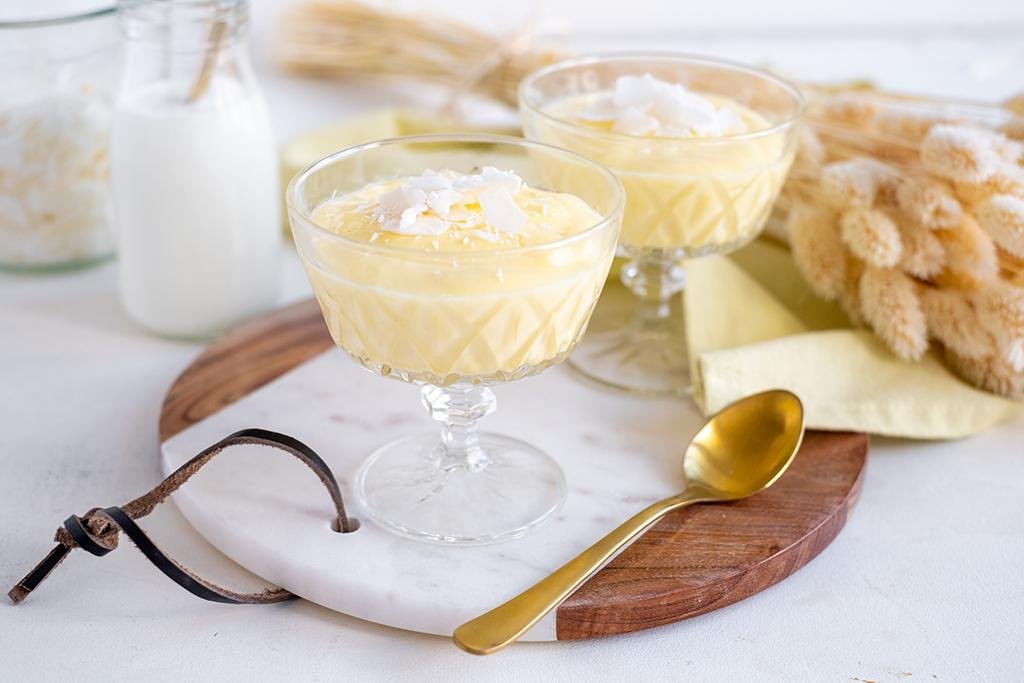
Homemade vanilla pudding is a classic stovetop dessert made with milk, sugar, egg yolks, cornstarch, butter, and vanilla extract. It has a smooth, creamy consistency and a rich vanilla flavor that makes it just as enjoyable on its own as it is layered into parfaits, banana pudding, or other desserts.
Unlike instant pudding mixes, this homemade vanilla pudding develops its thickness as it cooks on the stove. It uses simple pantry ingredients, requires no special equipment, and can be prepared ahead of time for an easy chilled dessert.
This recipe is ideal for family desserts, weeknight treats, or whenever you want a simple homemade pudding without complicated steps.
Recipe Overview
| Detail | Information |
|---|---|
| Prep Time | 10 minutes |
| Cook Time | 10 minutes |
| Chilling Time | 2 hours |
| Total Time | 2 hours 20 minutes |
| Servings | 6 |
| Difficulty | Easy |
| Category | Dessert |
| Cuisine | American |
Why You’ll Love This Recipe
-
Simple ingredients: Made with everyday ingredients commonly found in the kitchen.
-
Creamy consistency: Cornstarch and egg yolks help create a thick, silky pudding.
-
Real vanilla flavor: Vanilla extract gives the pudding its familiar sweet, aromatic taste.
-
Make-ahead friendly: Prepare it in advance and refrigerate until dessert time.
-
Versatile dessert: Enjoy it plain or use it as a filling for cakes, pies, parfaits, and layered desserts.
Ingredients
Makes 6 servings · Approximately 3 cups of pudding
-
3 cups whole milk
-
½ cup granulated sugar
-
3 tablespoons cornstarch
-
3 large egg yolks
-
2 tablespoons unsalted butter
-
2 teaspoons pure vanilla extract
-
⅛ teaspoon salt
Ingredient Notes
-
Whole milk: Gives the pudding a creamy texture and balanced richness. Lower-fat milk can work, but the finished pudding may be slightly less rich.
-
Egg yolks: Add richness, color, and a smoother consistency. Separate them carefully, keeping the egg whites for another recipe.
-
Cornstarch: The main thickening ingredient. It helps the pudding become thick enough to hold its shape after chilling.
-
Vanilla extract: Pure vanilla extract provides a more rounded flavor than imitation vanilla. Vanilla bean paste is another good option.
-
Unsalted butter: Adds a silky finish and softens the overall flavor.
How to Make Vanilla Pudding
1. Combine the dry ingredients.
In a medium saucepan, whisk together the granulated sugar, cornstarch, and salt until evenly combined. This helps distribute the cornstarch and reduces the chance of lumps.
2. Add the milk.
Gradually pour in the milk while whisking continuously. Keep whisking until the mixture is smooth and no dry cornstarch remains on the bottom or sides of the saucepan.
3. Heat the pudding mixture.
Place the saucepan over medium heat. Cook for approximately 5–7 minutes, whisking frequently, until the mixture becomes hot and begins to steam.
4. Temper the egg yolks.
Place the egg yolks in a separate heatproof bowl. Slowly whisk about ½ cup of the warm milk mixture into the yolks. Add it gradually while whisking so the yolks warm gently instead of cooking too quickly.
5. Cook until thickened.
Slowly pour the tempered egg mixture back into the saucepan while whisking. Continue cooking over medium heat, stirring constantly, until the pudding thickens and begins to bubble gently.
Let it bubble for about 1 minute while whisking. The pudding should coat the back of a spoon and leave a visible trail when you run a finger across it.
6. Add butter and vanilla.
Remove the saucepan from the heat. Add the butter and vanilla extract, then whisk until the butter melts and the pudding becomes smooth and glossy.
7. Strain and chill.
For an extra-smooth consistency, pour the pudding through a fine-mesh sieve into a heatproof bowl. Divide it among individual serving cups or keep it in one large bowl.
Press plastic wrap directly against the pudding’s surface to prevent a skin from forming. Refrigerate for at least 2 hours, or until completely chilled and set.
8. Serve.
Remove the plastic wrap and gently whisk the pudding if needed to restore a smooth consistency. Serve in dessert cups with whipped cream, fresh berries, or vanilla wafers.
Expert Tips
-
Whisk continuously near the end: Once the pudding starts thickening, it can stick to the bottom of the pan quickly.
-
Temper the egg yolks slowly: Adding hot liquid gradually helps prevent scrambled egg pieces in the pudding.
-
Add vanilla after cooking: Stirring it in off the heat helps preserve its delicate aroma.
-
Use a fine-mesh sieve: This catches small lumps and any bits of cooked egg.
-
Cover the surface: Plastic wrap touching the pudding prevents a thick skin from forming as it chills.
-
Allow enough chilling time: The pudding becomes firmer as it cools, so don’t judge its final consistency while it is still hot.
Common Mistakes to Avoid
-
Adding egg yolks directly to very hot milk: This can cause them to cook unevenly. Temper them first.
-
Using too much heat: High heat can scorch the milk and cause sticking. Medium heat with frequent whisking is more reliable.
-
Not cooking the cornstarch enough: Pudding may remain thin or develop a starchy taste if it does not reach a gentle bubbling stage.
-
Adding vanilla too early: Extended cooking can reduce its aromatic flavor.
-
Skipping the chilling step: Warm pudding is naturally softer and won’t have the same consistency as fully chilled pudding.
Easy Variations
-
Vanilla Bean Pudding: Replace the vanilla extract with vanilla bean paste or the seeds from one vanilla bean for visible vanilla specks.
-
Banana Vanilla Pudding: Layer chilled vanilla pudding with sliced bananas and vanilla wafer cookies.
-
Cookies and Cream Pudding: Fold crushed chocolate sandwich cookies into the cooled pudding just before serving.
-
Cinnamon Vanilla Pudding: Add ¼ teaspoon ground cinnamon for a gentle warm spice flavor.
-
Chocolate Vanilla Pudding: Stir 2 ounces of melted semisweet chocolate into the finished hot pudding before chilling.
Ingredient Substitutions
| Ingredient | Substitute | What to Expect |
|---|---|---|
| Whole milk | 2% milk | Slightly less rich texture |
| Granulated sugar | Light brown sugar | Mild caramel-like flavor |
| Unsalted butter | Salted butter | Slightly saltier finish; reduce added salt |
| Vanilla extract | Vanilla bean paste | Similar flavor with visible vanilla specks |
| Cornstarch | Arrowroot starch | Different thickening behavior and texture |
For the most reliable consistency, keep the whole milk, cornstarch, and egg yolks as written.
What to Serve With Vanilla Pudding
Vanilla pudding is versatile and pairs well with a variety of simple toppings and desserts.
-
Fresh strawberries and blueberries: Add a naturally fruity contrast to the creamy pudding.
-
Whipped cream: A light topping that complements the smooth consistency.
-
Vanilla wafers: Add a pleasant crunch and make the pudding taste similar to a classic banana pudding base.
-
Chocolate shavings: Provide a subtle chocolate contrast without overpowering the vanilla.
-
Graham crackers: Crushed graham crackers add a slightly sweet, crisp topping.
-
Caramel sauce: A small drizzle adds buttery sweetness.
Storage & Reheating
Refrigerator: Store vanilla pudding in an airtight container or covered dessert cups in the refrigerator for up to 3 days. Keep it refrigerated rather than leaving it at room temperature.
Freezing: Freezing is not recommended. Cornstarch-thickened pudding can separate or become grainy after thawing, affecting its creamy consistency.
Reheating: Vanilla pudding is generally served chilled. If you prefer it warm, transfer a portion to a small saucepan and heat gently over low heat, whisking frequently. Add a small splash of milk if it has become too thick. Avoid boiling it again.
Frequently Asked Questions
1. Can I make vanilla pudding without a boxed mix?
Yes! This recipe is made completely from scratch using milk, sugar, cornstarch, egg yolks, butter, vanilla, and salt. It doesn’t require instant pudding mix or any special equipment.
2. Why is my homemade vanilla pudding lumpy?
Lumps can develop when cornstarch isn’t evenly distributed or egg yolks are added too quickly to hot liquid. Whisk the ingredients thoroughly and temper the egg yolks gradually. Straining the finished pudding through a fine-mesh sieve can also help.
3. How do I make vanilla pudding thicker?
Make sure the mixture reaches a gentle bubbling stage and cooks for approximately one additional minute while whisking. It will also become firmer as it chills. Avoid adding extra cornstarch without adjusting the liquid because too much can create a pasty texture.
4. Can I make vanilla pudding ahead of time?
Absolutely. Prepare it up to 2 days ahead, divide it into serving cups, cover the surface, and refrigerate. Give it a gentle whisk before serving if needed.
5. Can I use vanilla pudding as a cake or pie filling?
Yes. Its creamy consistency makes it suitable for layered desserts, pudding pies, cake fillings, and dessert parfaits. For desserts that need to hold a particularly firm shape, use a recipe specifically formulated for that purpose.
6. Is homemade vanilla pudding served warm or cold?
It can be enjoyed either way. However, chilling allows the pudding to set and develop its traditional thick, creamy consistency.
Final Thoughts
Homemade vanilla pudding is a simple dessert that proves you don’t need complicated ingredients to make something satisfying. Its smooth texture and familiar vanilla flavor work beautifully in individual dessert cups or as part of larger desserts.
Keep a batch refrigerated for an easy sweet treat, or use it as the starting point for banana pudding, parfaits, and homemade pudding pies.
Leave a Reply