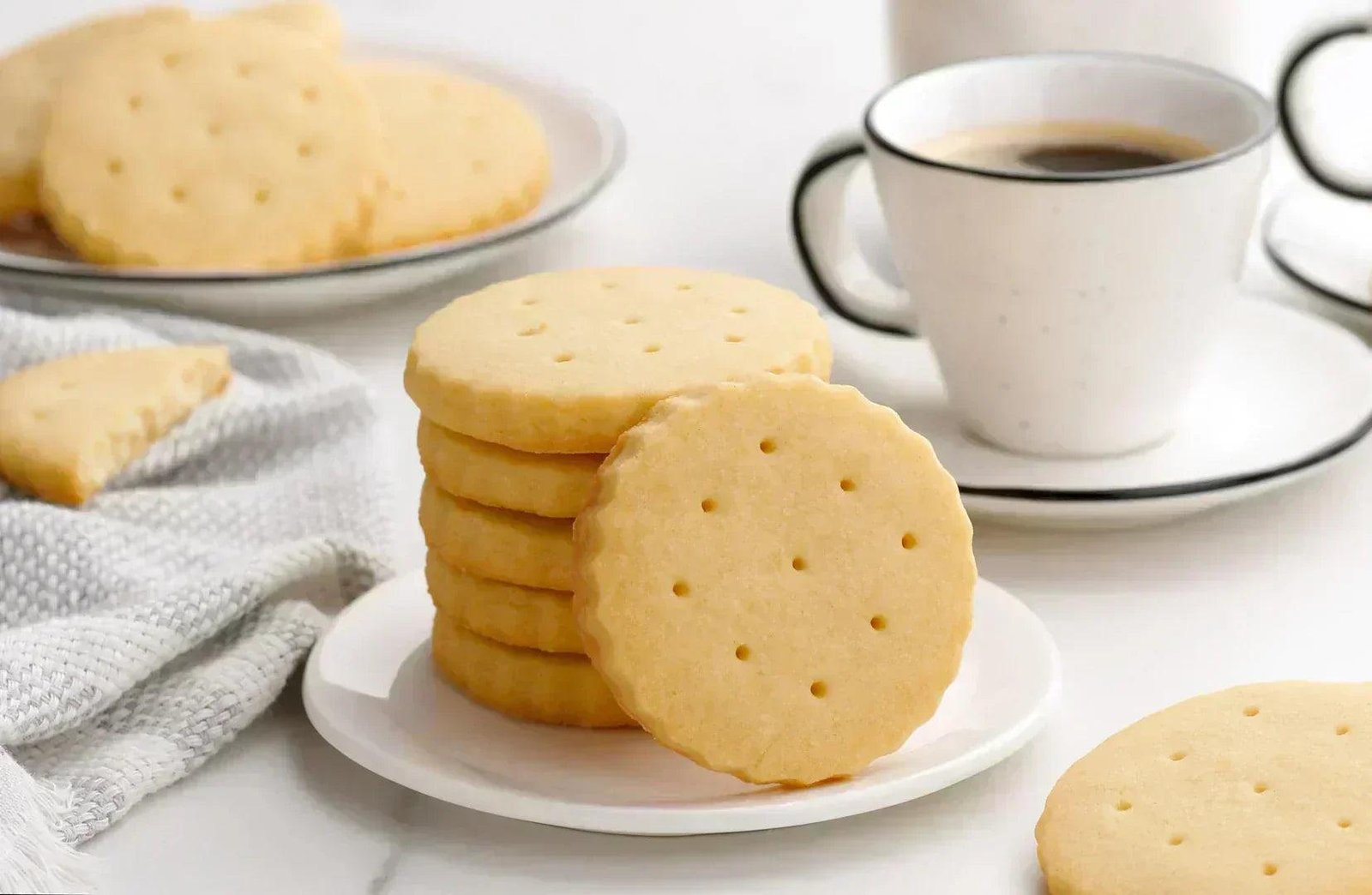
Shortbread cookies are classic buttery cookies known for their delicate crumb, lightly crisp edges, and rich, melt-in-your-mouth texture. Made with just a handful of pantry ingredients, these traditional cookies are simple to prepare and don’t require eggs or complicated techniques.
This easy shortbread cookies recipe uses butter, sugar, flour, vanilla, and a little salt to create cookies with a tender center and a subtle crunch. They’re lovely with afternoon tea, coffee, or a glass of milk and make a thoughtful addition to holiday cookie trays, Christmas gatherings, and homemade edible gifts.
Recipe Overview
| Details | Information |
|---|---|
| Prep Time | 15 minutes |
| Chill Time | 30 minutes |
| Cook Time | 18–22 minutes |
| Total Time | About 1 hour 10 minutes |
| Servings | 24 cookies |
| Difficulty | Easy |
Why You’ll Love This Recipe
-
Simple ingredients: You only need a few everyday baking staples.
-
Rich buttery flavor: Butter is the star, giving these cookies their signature taste.
-
Tender texture: The cookies have delicate, crumbly centers with lightly crisp edges.
-
Easy to customize: Cut the dough into fingers, rounds, squares, or festive shapes.
-
Great for making ahead: The baked cookies keep well in an airtight container and are suitable for freezing.
Ingredients
Makes approximately 24 cookies.
-
1 cup (226 g) unsalted butter, softened to room temperature
-
1/2 cup (100 g) granulated sugar
-
2 1/4 cups (280 g) all-purpose flour
-
1 teaspoon pure vanilla extract
-
1/4 teaspoon salt
Ingredient Notes
Unsalted butter: Butter provides most of the flavor and gives shortbread its characteristic crumbly texture. Use real butter rather than margarine for the best results.
All-purpose flour: Regular all-purpose flour creates a sturdy but tender cookie. Measure it carefully to avoid adding too much.
Granulated sugar: Regular granulated sugar adds sweetness and a delicate crispness. Avoid reducing the amount significantly, as sugar also contributes to the cookie’s structure.
Vanilla extract: Vanilla adds a subtle aroma that complements the buttery flavor. It can be omitted for a more traditional, simple shortbread taste.
How to Make Shortbread Cookies
1. Prepare the oven and baking sheet.
Preheat your oven to 325°F (165°C). Line a large baking sheet with parchment paper to prevent sticking and help the cookies bake evenly.
2. Cream the butter and sugar.
Place the softened butter and granulated sugar in a large mixing bowl. Beat with an electric mixer for about 2–3 minutes until smooth, creamy, and well combined. Mix in the vanilla extract.
3. Add the dry ingredients.
In a separate bowl, whisk together the flour and salt. Gradually add the flour mixture to the butter mixture, mixing on low speed until a soft dough forms.
The dough may initially look crumbly. Continue mixing just until it holds together when pressed. Avoid overmixing.
4. Shape and chill the dough.
Gather the dough into a ball and gently flatten it into a disc. Wrap it and refrigerate for approximately 30 minutes.
Roll the chilled dough on a lightly floured surface to about 1/2-inch thickness. Cut into fingers, squares, or rounds using a cookie cutter.
5. Arrange and dock the cookies.
Transfer the cookies to the prepared baking sheet, leaving about 1 inch between them. Use a fork to gently prick the surface of each cookie. This traditional step helps release steam and creates the familiar shortbread appearance.
6. Bake until lightly golden.
Bake for 18–22 minutes, depending on the size and thickness of your cookies.
The cookies should look set, with pale tops and lightly golden edges or bottoms. Shortbread should not become deeply browned.
7. Cool before serving.
Allow the cookies to rest on the baking sheet for about 5 minutes before transferring them to a wire rack. Let them cool completely so their delicate texture can set.
Expert Tips
-
Use properly softened butter: It should feel slightly soft when pressed but should not look melted or greasy.
-
Measure flour correctly: Spoon flour into your measuring cup and level it rather than packing it down.
-
Avoid overworking the dough: Too much mixing can develop gluten and make the cookies tougher.
-
Chill before baking: Chilling helps the dough become easier to handle and reduces excessive spreading.
-
Keep the thickness consistent: Evenly rolled dough helps all the cookies bake at approximately the same rate.
-
Watch the edges: Shortbread should remain fairly pale. Remove the cookies once the edges are just beginning to turn golden.
Common Mistakes to Avoid
Using melted butter: Melted butter can change the dough consistency and make the cookies spread more than expected. Use softened butter instead.
Adding too much flour: Excess flour creates dry, crumbly dough that is difficult to shape. Measure carefully.
Overbaking: Dark golden or brown shortbread can taste overly toasted and lose its delicate texture. Remove the cookies while they’re still relatively pale.
Skipping the cooling time: Warm shortbread is fragile. Let the cookies cool before moving or storing them.
Easy Variations
-
Chocolate-dipped shortbread: Dip one end of each completely cooled cookie into melted semisweet chocolate and let it set.
-
Lemon shortbread: Add 1–2 teaspoons of finely grated lemon zest to the butter and sugar mixture.
-
Almond shortbread: Add 1/2 teaspoon almond extract in place of the vanilla.
-
Chocolate chip shortbread: Fold 1/3 cup mini chocolate chips into the finished dough.
-
Cinnamon shortbread: Add 1/2 teaspoon ground cinnamon for a gentle warm spice flavor.
Ingredient Substitutions
-
Salted butter: You can use salted butter instead of unsalted butter. Simply leave out the additional salt.
-
Vanilla extract: Almond extract or a little lemon zest can provide a different flavor.
-
Granulated sugar: Powdered sugar can be used for a finer, more delicate texture. The finished cookies may be slightly more tender.
-
All-purpose flour: A gluten-free all-purpose baking blend designed for a 1:1 flour replacement may work, although the texture can vary by brand.
What to Serve With Shortbread Cookies
Shortbread cookies pair naturally with warm beverages and simple desserts.
-
Hot tea: Black tea or Earl Grey complements the buttery flavor.
-
Coffee: Serve alongside a cup of freshly brewed coffee.
-
Hot chocolate: A cozy pairing, especially during colder months.
-
Fresh berries: Strawberries and raspberries provide a refreshing contrast.
-
Vanilla ice cream: Crumble shortbread over a scoop for an easy dessert topping.
Storage & Reheating
Room temperature: Store completely cooled shortbread cookies in an airtight container for up to 1 week in a cool, dry place.
Refrigerator: Refrigeration is generally unnecessary. An airtight container at room temperature helps preserve their texture.
Freezing baked cookies: Place cooled cookies in a freezer-safe container with parchment paper between layers. Freeze for up to 2 months for best quality. Thaw at room temperature before serving.
Freezing cookie dough: Wrap the dough tightly and freeze for up to 2 months. Thaw overnight in the refrigerator before rolling, cutting, and baking.
Reheating: Shortbread generally doesn’t need reheating. If you prefer a slightly warm cookie, place it in a 300°F oven for about 3–4 minutes and allow it to cool briefly before eating.
Frequently Asked Questions
1. Why is my shortbread cookie dough crumbly?
Shortbread dough is naturally less moist than many other cookie doughs. It should hold together when pressed between your fingers. If it remains very dry and won’t hold its shape, the flour may have been overmeasured.
2. Do shortbread cookies need eggs?
No. Traditional shortbread recipes do not require eggs. Butter, sugar, and flour provide the structure and characteristic texture.
3. Why do you poke holes in shortbread cookies?
Pricking the dough with a fork allows steam to escape during baking and creates the classic decorative appearance associated with traditional shortbread.
4. How do I know when shortbread cookies are done?
The cookies should look set, with lightly golden edges and pale centers. They may still feel slightly soft when warm but will become firmer as they cool.
5. Can I make shortbread cookie dough ahead of time?
Yes. Prepare the dough, wrap it tightly, and refrigerate for up to 2 days. Let it sit briefly at room temperature if it becomes too firm to roll.
6. Can I make shortbread without a cookie cutter?
Absolutely. Shape the dough into a log, chill until firm, and slice it into evenly sized rounds. You can also press the dough into a square pan and cut it into fingers after baking.
Final Thoughts
Shortbread cookies are a lovely reminder that simple baking ingredients can produce something special. Their rich buttery flavor, delicate crumb, and easy preparation make them a wonderful choice for everyday treats, holiday baking, and homemade gifts. Serve them with your favorite tea or coffee, or add a chocolate-dipped variation when you want something a little different.
Leave a Reply