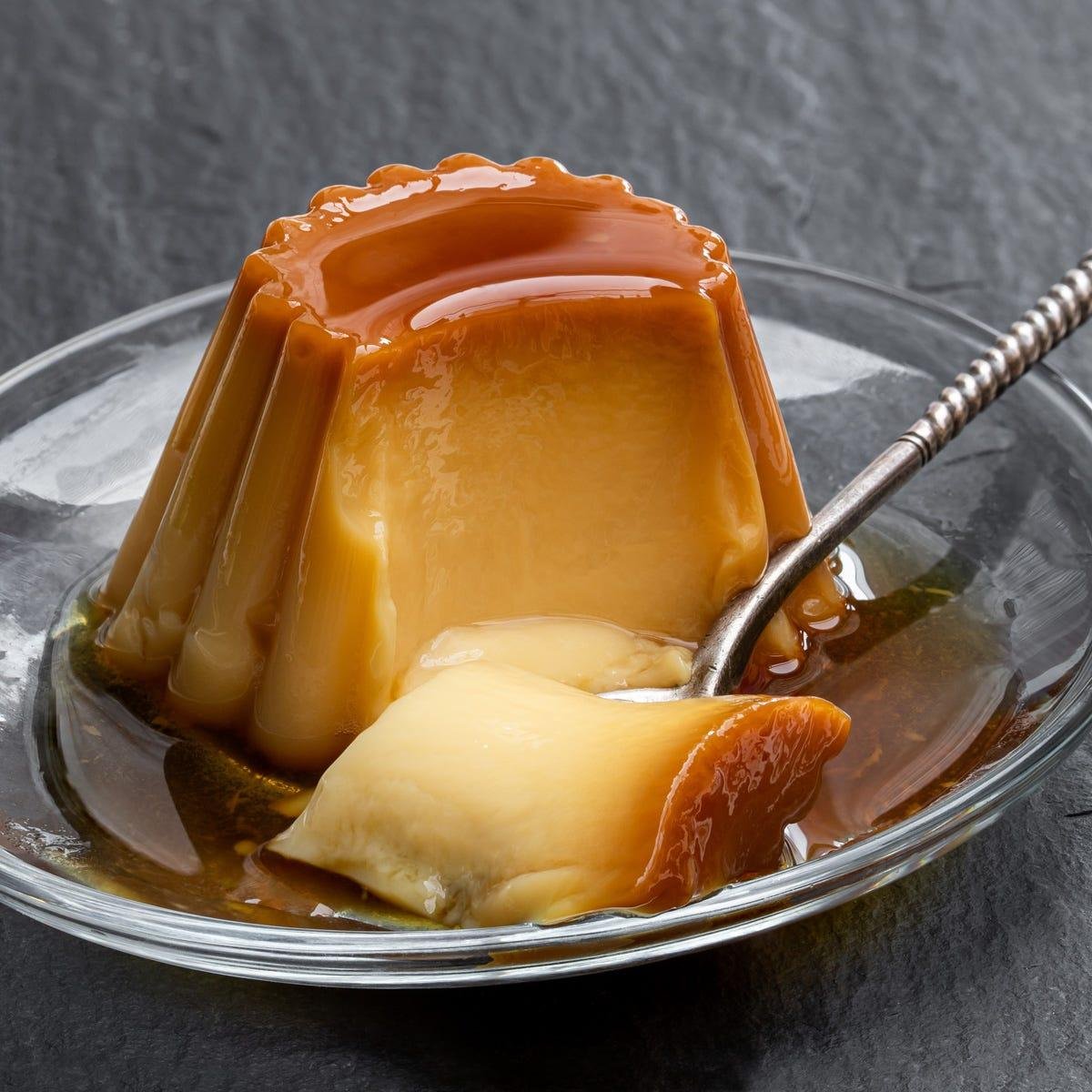
Caramel Pudding is a smooth, creamy baked custard topped with a rich layer of golden caramel sauce. Made with simple ingredients like milk, eggs, sugar, and vanilla, this classic dessert has a delicate texture and a sweet caramel flavor in every spoonful.
The pudding is gently baked in a water bath, chilled until set, and inverted onto a serving plate so the caramel flows over the custard. It is an excellent make-ahead dessert for family dinners, holiday gatherings, or whenever you want something sweet without complicated ingredients.
Recipe Overview
- Prep Time: 20 minutes
- Cook Time: 45–55 minutes
- Chilling Time: 4 hours
- Total Time: Approximately 5 hours 15 minutes
- Servings: 6
- Difficulty: Easy to moderate
Why You’ll Love This Recipe
- Simple ingredients: You only need a handful of everyday ingredients.
- Silky texture: A gentle water bath helps the custard cook evenly without becoming rubbery.
- Rich caramel topping: Homemade caramel creates a beautiful sauce that coats the pudding when inverted.
- Make-ahead friendly: Prepare it several hours before serving and keep it refrigerated.
- Naturally gluten-free: The traditional recipe uses no flour or other gluten-containing ingredients.
Ingredients
For the Caramel
- 3/4 cup granulated sugar
- 1/4 cup water
For the Custard
- 2 cups whole milk
- 1 cup heavy cream
- 1/2 cup granulated sugar
- 4 large eggs
- 2 large egg yolks
- 2 teaspoons pure vanilla extract
- 1/8 teaspoon salt
Ingredient Notes
Whole milk: Whole milk provides a creamy custard base. Lower-fat milk can work, but the finished pudding may be less rich.
Heavy cream: Adding heavy cream gives the pudding a smoother, richer consistency. It also balances the texture of the baked custard.
Eggs and egg yolks: Eggs help the pudding set, while the additional yolks contribute richness and a tender texture.
Granulated sugar: Regular white sugar works best for making the caramel because it melts evenly and develops a clean caramel flavor.
Vanilla extract: Pure vanilla extract complements the caramel and adds warmth to the custard.
How to Make Caramel Pudding
1. Prepare the Baking Dish
Preheat your oven to 325°F (163°C).
Lightly prepare six 6-ounce ramekins or small oven-safe custard cups. Arrange them inside a larger baking pan that will hold hot water for the water bath.
2. Make the Caramel
Add 3/4 cup granulated sugar and 1/4 cup water to a small, heavy-bottomed saucepan.
Place over medium heat and let the sugar dissolve. Once the mixture starts boiling, avoid stirring. Gently swirl the pan if needed to encourage even coloring.
Cook for approximately 7–10 minutes, or until the syrup turns a deep golden amber color.
Immediately divide the hot caramel between the six ramekins, carefully coating the bottom of each one. Allow the caramel to cool and harden while preparing the custard.
3. Warm the Milk and Cream
Pour the whole milk and heavy cream into a saucepan. Heat over medium-low heat until warm and steaming, but do not let the mixture boil.
Remove from the heat and set aside.
Warming the dairy helps the sugar dissolve and makes it easier to combine with the eggs.
4. Prepare the Custard Mixture
In a large mixing bowl, whisk together the eggs, egg yolks, and 1/2 cup sugar until combined.
Add the vanilla extract and salt.
Slowly pour the warm milk and cream into the egg mixture while whisking gently. Add the liquid gradually to prevent the eggs from cooking too quickly.
5. Strain the Custard
Pour the custard mixture through a fine-mesh sieve into another bowl or large measuring jug.
This removes small pieces of egg and helps produce a smoother finished pudding.
Carefully divide the strained custard between the prepared ramekins, pouring it over the hardened caramel.
6. Prepare the Water Bath
Pour hot water into the larger baking pan until it reaches approximately halfway up the sides of the ramekins.
Be careful not to splash water into the custard.
The water bath provides gentle, even heat and helps prevent the edges from overcooking before the centers are set.
7. Bake the Pudding
Carefully transfer the baking pan to the preheated oven.
Bake at 325°F for approximately 45–55 minutes.
The pudding is ready when the edges look set and the center still has a slight, gentle jiggle when the ramekin is moved. It should not look liquid or slosh around.
Cooking time may vary depending on the size and depth of your ramekins.
8. Cool and Refrigerate
Remove the ramekins from the water bath and let them cool to room temperature.
Cover each ramekin and refrigerate for at least 4 hours, preferably overnight, until the custard is completely chilled and firm.
9. Unmold and Serve
Run a thin knife carefully around the inside edge of each ramekin.
Place a small serving plate over the top and invert it in one smooth motion. Gently lift the ramekin to release the pudding.
Allow the caramel sauce to flow over the sides and serve chilled.
Expert Tips for the Best Caramel Pudding
- Watch the caramel carefully: Sugar can change from golden to burnt very quickly. Remove it from the heat once it reaches a deep amber color.
- Avoid stirring boiling caramel: Stirring can encourage crystallization. Swirling the saucepan is a better option.
- Use warm, not boiling, dairy: Extremely hot milk can cook the eggs when combined with the custard mixture.
- Strain before baking: This is one of the easiest ways to remove unwanted egg strands and improve the final texture.
- Bake gently: A water bath protects the delicate custard from excessive heat.
- Allow enough chilling time: The pudding needs several hours in the refrigerator to become firm enough to unmold cleanly.
Common Mistakes to Avoid
Burning the caramel: Dark brown or black caramel can taste bitter. Remove it from the heat when it reaches a deep golden amber shade.
Pouring hot milk too quickly: Adding hot dairy directly to the eggs can partially scramble them. Pour slowly while whisking.
Skipping the water bath: Direct oven heat can make the custard uneven, causing a rubbery texture or overcooked edges.
Overbaking the custard: Baking until the center is completely firm can result in a dense pudding. Look for set edges and a slight center jiggle.
Unmolding too early: Warm custard is delicate and may break apart. Refrigerate it thoroughly before removing it from the ramekins.
Easy Variations
- Coffee Caramel Pudding: Add 1–2 teaspoons of instant espresso powder to the warm milk mixture for a subtle coffee flavor.
- Coconut Caramel Pudding: Replace some of the whole milk with canned coconut milk. The pudding will have a gentle coconut flavor.
- Orange Caramel Pudding: Add 1 teaspoon of finely grated orange zest to the custard for a light citrus note.
- Cardamom Caramel Pudding: Add 1/4 teaspoon of ground cardamom for a warm, aromatic variation.
Ingredient Substitutions
- Heavy cream: You can replace the heavy cream with an equal amount of whole milk. The pudding will be slightly less rich.
- Whole milk: Two percent milk can be used, although the custard may have a lighter consistency.
- Vanilla extract: Vanilla bean paste can replace vanilla extract in an equal amount.
- Individual ramekins: You can use one 1.5-quart oven-safe baking dish instead. The baking time will likely be longer, so check the center for doneness rather than relying only on the clock.
What to Serve With Caramel Pudding
Caramel pudding is lovely on its own, but a few simple additions can make it feel more special.
- Fresh strawberries: Their slight tartness balances the sweetness of the caramel.
- Fresh berries: Raspberries and blueberries add freshness and color.
- Whipped cream: A small spoonful of lightly sweetened whipped cream adds a soft, airy contrast.
- Fresh fruit salad: A refreshing option for serving after a rich meal.
- Coffee or tea: Unsweetened coffee or black tea pairs nicely with the sweet custard.
Storage & Reheating
Refrigerator: Store the pudding covered in its ramekins for up to 3 days. Keep it refrigerated at 40°F (4°C) or below.
Freezing: Freezing is not recommended because the custard can become watery or grainy after thawing.
Reheating: Caramel pudding is best served chilled, so reheating is unnecessary. Keep it refrigerated until ready to serve.
Make-ahead preparation: You can prepare the pudding one day ahead. Keep it covered in the refrigerator and unmold just before serving for the best presentation.
Frequently Asked Questions
1. Why is my caramel pudding not smooth?
A grainy or bubbly texture can result from overcooking, excessive whisking, or baking at too high a temperature. Use gentle heat, strain the custard, and bake it in a water bath.
2. Why does the caramel become hard?
Caramel naturally hardens as it cools. This is normal. During refrigeration, moisture from the custard gradually helps dissolve the caramel into a sauce.
3. Can I make caramel pudding without ramekins?
Yes. You can use one oven-safe baking dish with approximately a 1.5-quart capacity. The larger custard will generally need more baking time than individual portions.
4. How do I know when caramel pudding is done?
The edges should look set, while the center should still have a slight jiggle. It will continue to firm up as it cools and chills.
5. Can I make caramel pudding the night before?
Absolutely. Preparing it the night before gives the custard enough time to chill and makes serving easier. Keep it covered in the refrigerator until needed.
6. Why is my caramel pudding difficult to remove from the ramekin?
The custard may need more chilling time, or the caramel may still be sticking to the bottom. Run a thin knife around the edges and briefly dip the bottom of the ramekin in warm water before inverting.
Final Thoughts
Caramel Pudding is a classic custard dessert that combines a delicate, creamy texture with a rich homemade caramel topping. With a few everyday ingredients and gentle baking, you can prepare an elegant dessert that is easy to make ahead and serve chilled. Keep the heat controlled, give the custard enough time to set, and finish each serving with its own generous spoonful of caramel sauce.
Leave a Reply