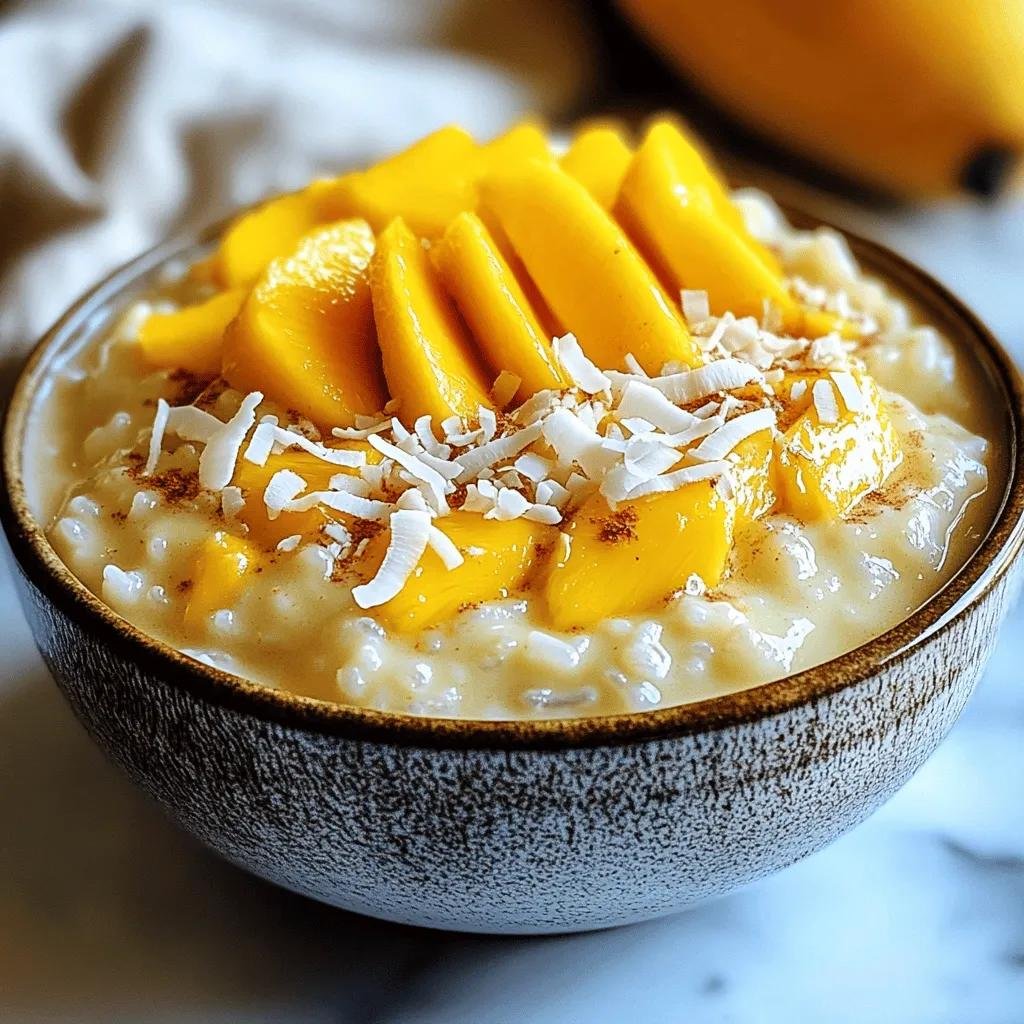
Coconut Rice Pudding is a creamy, gently sweet dessert made with tender rice, rich coconut milk, and a touch of vanilla and cinnamon. It combines the comforting texture of traditional rice pudding with the subtle tropical flavor of coconut.
This easy stovetop dessert uses simple pantry ingredients and comes together in one saucepan. Enjoy it warm for a cozy dessert or refrigerate it for a cool, creamy treat. Toasted coconut, fresh mango, sliced bananas, or a sprinkle of cinnamon make lovely toppings.
Recipe Overview
| Detail | Information |
|---|---|
| Prep Time | 5 minutes |
| Cook Time | 35–40 minutes |
| Total Time | 40–45 minutes |
| Servings | 6 |
| Difficulty | Easy |
| Cooking Method | Stovetop |
| Category | Dessert |
| Cuisine | American-inspired |
Why You’ll Love This Recipe
-
Creamy texture: Short-grain rice releases starch as it cooks, creating a naturally thick and creamy pudding.
-
Rich coconut flavor: Full-fat coconut milk gives the dessert a noticeable coconut taste without needing coconut extract.
-
Simple ingredients: You only need a handful of everyday ingredients.
-
Warm or chilled: Serve it straight from the saucepan or refrigerate it for a refreshing dessert.
-
Easy to customize: Add fresh fruit, toasted coconut, cinnamon, or chopped nuts to change the flavor and texture.
Ingredients

-
1 cup uncooked short-grain white rice (such as Arborio or sushi rice)
-
1 (13.5-ounce) can full-fat unsweetened coconut milk
-
2 cups whole milk
-
½ cup granulated sugar
-
¼ teaspoon fine salt
-
1 teaspoon vanilla extract
-
1 cinnamon stick or ½ teaspoon ground cinnamon
-
1 small strip of lemon or lime zest (optional)
-
¼ teaspoon ground nutmeg (optional)
For serving:
-
¼ cup unsweetened shredded coconut, toasted
-
Fresh mango or sliced bananas
-
Ground cinnamon
-
Chopped pistachios or almonds
Ingredient Notes
Rice: Short-grain white rice is a great choice because it releases starch during cooking, helping create a creamy consistency. Arborio rice also works well. Medium-grain rice is another option, although the texture may be slightly less thick.
Coconut milk: Use canned, unsweetened, full-fat coconut milk rather than coconut beverage from a carton. Shake or stir the can well before measuring so the thick cream and liquid are combined.
Whole milk: Whole milk balances the richness of coconut milk and gives the pudding a smooth consistency. You can use additional coconut milk for a dairy-free version.
Sugar: Half a cup provides moderate sweetness. Adjust slightly according to your preference.
Cinnamon and citrus zest: Cinnamon adds warmth, while a little lemon or lime zest brightens the coconut flavor. Both are optional.
How to Make Coconut Rice Pudding
1. Rinse the rice.
Place the rice in a fine-mesh strainer and rinse it under cool running water until the water becomes mostly clear. Drain thoroughly. This removes excess surface starch and helps the finished pudding maintain a creamy texture without becoming overly sticky.
2. Combine the ingredients.
Add the rinsed rice, coconut milk, whole milk, sugar, and salt to a heavy-bottomed medium saucepan. Add the cinnamon stick and citrus zest if using. Stir everything together until the sugar begins to dissolve.
3. Bring the mixture to a gentle simmer.
Place the saucepan over medium heat. Stir occasionally as the mixture warms, approximately 6–8 minutes. Once small bubbles begin appearing around the edges, reduce the heat to low.
Avoid bringing the mixture to a vigorous boil because the milk can scorch on the bottom of the saucepan.
4. Cook until the rice is tender.
Simmer uncovered for approximately 30–35 minutes, stirring every few minutes. Scrape the bottom and corners of the pan to prevent sticking.
As the rice cooks, it will absorb liquid and release starch. The pudding should gradually become thick and creamy.
If the rice is still firm but the mixture has become too thick, add ¼ cup warm milk and continue cooking.
5. Add the finishing ingredients.
Once the rice is completely tender, remove the saucepan from the heat. Take out the cinnamon stick and citrus zest.
Stir in the vanilla extract and ground nutmeg, if desired. The pudding may look slightly loose at this stage, but it will thicken as it cools.
6. Serve warm or chilled.
Spoon the coconut rice pudding into individual serving bowls. Add toasted coconut, fresh mango, sliced bananas, or a light sprinkle of cinnamon.
For chilled pudding, let it cool slightly before transferring it to covered containers and refrigerating.
Expert Tips
-
Use a heavy-bottomed saucepan: It distributes heat more evenly and helps prevent the coconut milk from scorching.
-
Keep the heat low: A gentle simmer gives the rice enough time to soften without burning the liquid.
-
Stir regularly: Pay particular attention to the bottom of the saucepan as the pudding thickens.
-
Don’t overcook: Remove the pudding from the heat when the rice is tender and the mixture is still slightly loose.
-
Adjust the consistency: Add a little warm milk if the pudding becomes thicker than you prefer.
-
Toast the coconut: Lightly toasting shredded coconut in a dry skillet adds a pleasant crunch and deeper coconut flavor.
Common Mistakes to Avoid
Cooking over high heat: High heat can cause the coconut milk and dairy to scorch. Keep the mixture at a gentle simmer.
Using sweetened coconut milk: Sweetened products can make the pudding excessively sweet. Choose unsweetened canned coconut milk.
Not stirring frequently enough: Rice can settle and stick to the bottom. Stir every few minutes, especially toward the end.
Expecting the pudding to stay thin: Rice pudding naturally thickens as it cools. Stop cooking while it still looks slightly looser than your desired final consistency.
Adding vanilla too early: Adding vanilla near the end helps preserve its delicate aroma.
Easy Variations
-
Coconut Mango Rice Pudding: Add diced fresh mango just before serving. A little lime zest complements the fruit.
-
Coconut Cardamom Rice Pudding: Replace cinnamon with ¼ teaspoon ground cardamom for a fragrant variation.
-
Chocolate Coconut Rice Pudding: Stir in 2 tablespoons unsweetened cocoa powder and adjust the sugar to taste.
-
Coconut Raisin Rice Pudding: Add ¼ cup raisins during the final 10 minutes of cooking so they soften.
-
Tropical Coconut Rice Pudding: Top with pineapple, mango, and toasted coconut for a fruit-forward dessert.
Ingredient Substitutions
| Ingredient | Substitute | What to Expect |
|---|---|---|
| Whole milk | Unsweetened almond milk | Lighter consistency and mild nutty flavor |
| Whole milk | Additional coconut milk | Richer coconut flavor |
| Granulated sugar | Brown sugar | Deeper, caramel-like sweetness |
| Short-grain rice | Medium-grain rice | Slightly less creamy texture |
| Cinnamon stick | Ground cinnamon | Similar flavor; easier to incorporate |
| Vanilla extract | Vanilla bean paste | More pronounced vanilla flavor |
For a completely dairy-free version, replace the whole milk with unsweetened almond milk or additional coconut milk.
What to Serve With Coconut Rice Pudding
Coconut rice pudding is satisfying on its own, but a few simple additions can make it more interesting.
-
Fresh mango: Its natural sweetness and slight tartness complement coconut beautifully.
-
Sliced bananas: Add soft texture and a naturally sweet flavor.
-
Fresh berries: Strawberries, raspberries, and blueberries provide a refreshing contrast.
-
Toasted coconut: Adds crunch and reinforces the coconut flavor.
-
Chopped pistachios: Bring a nutty flavor and pleasant texture.
-
Cinnamon: A light dusting adds warmth without overpowering the pudding.
Storage & Reheating
Refrigerator: Allow the pudding to cool slightly, then transfer it to airtight containers. Refrigerate promptly and enjoy within 3–4 days.
Freezing: Freezing is possible, but the texture may become grainy or separate after thawing. Refrigeration is the better option for maintaining its creamy consistency.
Stovetop reheating: Transfer the desired portion to a saucepan. Add a splash of milk or coconut milk and warm over low heat, stirring frequently until smooth and heated through.
Microwave reheating: Place a portion in a microwave-safe bowl. Add a tablespoon of milk, cover loosely, and heat in short intervals, stirring between intervals.
Serving chilled: If the pudding becomes too thick in the refrigerator, stir in a little milk or coconut milk before serving.
Frequently Asked Questions
1. Can I make coconut rice pudding with leftover cooked rice?
Yes. Combine approximately 3 cups of cooked white rice, one 13.5-ounce can of coconut milk, 1 cup of whole milk, ⅓ cup sugar, and ¼ teaspoon salt. Simmer over low heat for 15–20 minutes, stirring frequently, until creamy and heated through. Stir in vanilla before serving. The rice grains will remain more distinct than in the uncooked-rice version.
2. Can I make coconut rice pudding without dairy?
Yes. Replace the whole milk with additional unsweetened coconut milk or unsweetened almond milk. Using only coconut milk creates a richer coconut flavor, while almond milk produces a lighter result.
3. Is coconut rice pudding served hot or cold?
Both options work well. Warm pudding has a soft, comforting consistency, while chilled pudding becomes thicker and more spoonable. Choose whichever you prefer.
4. Why is my coconut rice pudding too thick?
Rice continues absorbing liquid as it cools, which naturally thickens the pudding. Stir in a little milk or coconut milk until it reaches your preferred consistency.
5. Can I use jasmine rice instead of short-grain rice?
Yes. Jasmine rice works, although its longer grains generally produce a less thick and creamy texture. Short-grain rice is preferable if you want a traditional creamy pudding.
6. Can I prepare coconut rice pudding ahead of time?
Absolutely. Prepare it a day ahead and refrigerate it in airtight containers. Before serving, stir well and add a splash of milk if needed to loosen the consistency.
Final Thoughts
Coconut Rice Pudding is a simple way to turn everyday rice into a creamy, comforting dessert with a gentle coconut flavor. Whether served warm with cinnamon or chilled with fresh mango and toasted coconut, it is easy to adapt to different tastes and occasions.
Leave a Reply