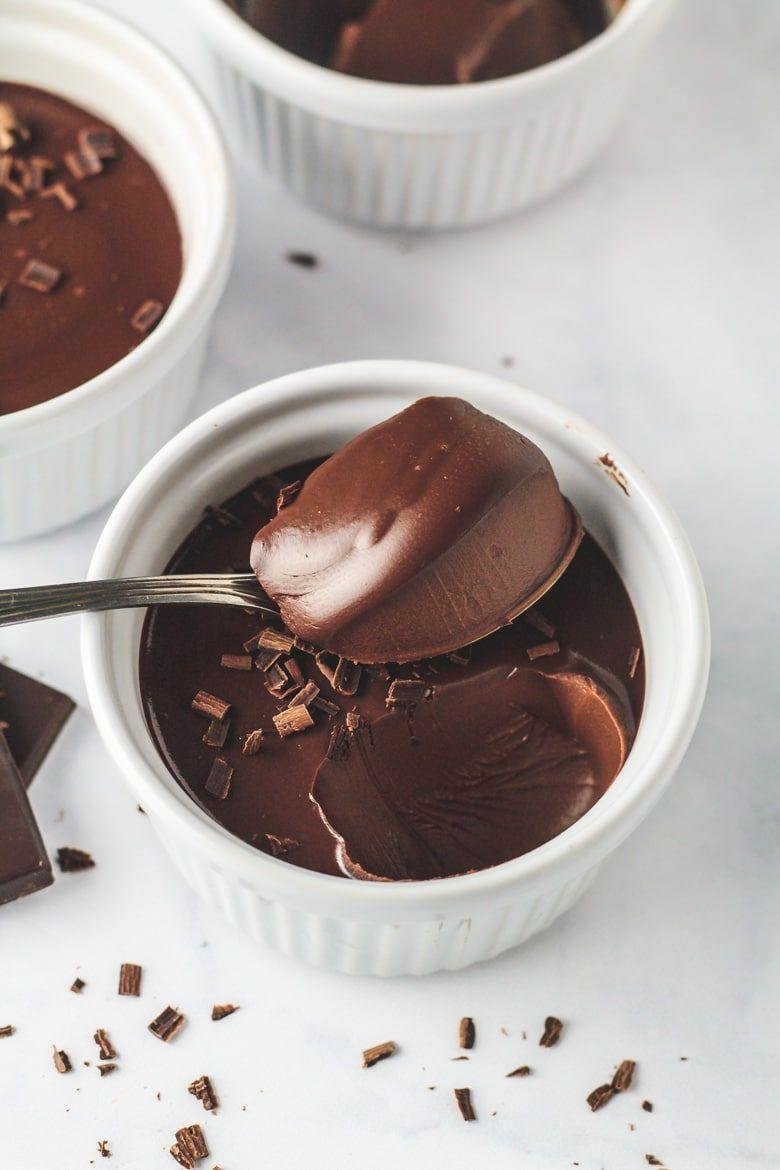
Chocolate custard is a smooth, creamy dessert made with milk, egg yolks, cocoa powder, and real chocolate. It has a rich chocolate flavor and a silky, pudding-like consistency that makes every spoonful satisfying without feeling overly heavy.
This homemade chocolate custard is prepared on the stovetop using simple ingredients and doesn’t require an oven or complicated equipment. Serve it chilled in individual dessert cups for an easy after-dinner treat, or use it as a filling for cakes, tarts, and other desserts.
Recipe Overview
| Details | Information |
|---|---|
| Prep Time | 10 minutes |
| Cook Time | 10 minutes |
| Chilling Time | 2 hours |
| Total Time | 2 hours 20 minutes |
| Servings | 4 |
| Difficulty | Easy |
Why You’ll Love This Recipe
-
Rich chocolate flavor: Cocoa powder and semisweet chocolate create a deeper chocolate taste than cocoa powder alone.
-
Smooth and creamy texture: Egg yolks and cornstarch help create a thick, silky custard.
-
Simple ingredients: You only need everyday baking and refrigerator staples.
-
Make-ahead friendly: Prepare it in advance and chill until dessert time.
-
Versatile dessert: Enjoy it on its own or use it as a filling for cakes, pastries, and other sweet treats.
Ingredients
This recipe makes approximately four servings.
-
2 cups whole milk
-
½ cup heavy cream
-
4 large egg yolks
-
½ cup granulated sugar
-
2 tablespoons unsweetened cocoa powder
-
2 tablespoons cornstarch
-
4 ounces semisweet chocolate, finely chopped
-
1 teaspoon vanilla extract
-
⅛ teaspoon salt
Ingredient Notes
Whole milk: Whole milk provides a creamy base and helps give the custard a rich consistency. Lower-fat milk can work, but the finished dessert may be slightly less creamy.
Semisweet chocolate: Use good-quality semisweet chocolate bars or baking chocolate. Chopping it into small pieces helps it melt evenly into the warm custard.
Cocoa powder: Unsweetened natural or Dutch-process cocoa powder works well. Sifting it before mixing helps prevent lumps.
Egg yolks: Egg yolks contribute richness, color, and a smooth custard texture. They should be tempered before being added to the hot milk mixture.
Cornstarch: A small amount helps stabilize the custard and gives it a thicker, pudding-like consistency.
How to Make Chocolate Custard
1. Prepare the egg mixture
In a medium heatproof bowl, whisk together the egg yolks, granulated sugar, cocoa powder, cornstarch, and salt.
Whisk until the mixture looks smooth and slightly thick. Make sure there are no visible dry pockets of cocoa or cornstarch.
2. Heat the milk and cream
Pour the whole milk and heavy cream into a medium saucepan.
Heat over medium-low heat, stirring occasionally, until the mixture is steaming and small bubbles begin forming around the edges. Avoid bringing it to a full boil.
3. Temper the egg yolks
Slowly pour about ½ cup of the warm milk mixture into the egg yolk mixture while whisking continuously.
Add another small amount of warm milk and continue whisking. This gradually raises the temperature of the yolks and helps prevent them from scrambling.
4. Cook the custard
Pour the tempered egg mixture back into the saucepan.
Cook over medium-low heat, whisking constantly, for approximately 4–6 minutes.
The custard should gradually thicken and become smooth. Once it reaches a gentle simmer, cook for about 1 minute while whisking to activate the cornstarch.
Remove the saucepan from the heat.
5. Add the chocolate and vanilla
Add the finely chopped semisweet chocolate and vanilla extract to the hot custard.
Let the chocolate sit for about 30 seconds, then whisk until completely melted and incorporated.
The mixture should look glossy, thick, and uniform.
6. Strain and portion
For an extra-smooth texture, pour the custard through a fine-mesh sieve into a clean bowl.
Divide it between four small dessert cups or ramekins.
7. Chill before serving
Press plastic wrap directly against the surface of each custard portion to prevent a skin from forming.
Refrigerate for at least 2 hours, or until completely chilled and set.
Serve cold with whipped cream, chocolate shavings, or fresh berries if desired.
Expert Tips
-
Whisk continuously: Keep whisking while the custard cooks to prevent the egg yolks from forming lumps or sticking to the bottom of the saucepan.
-
Use finely chopped chocolate: Smaller pieces melt more quickly and evenly.
-
Control the heat: Gentle, steady heat is important for a smooth custard. Excessively high heat can cause the eggs to overcook.
-
Strain for smoothness: A fine-mesh sieve catches any small lumps that may develop during cooking.
-
Cover the surface: Press plastic wrap directly against the custard before refrigerating to prevent a firm layer from forming.
-
Allow enough chilling time: The custard thickens further as it cools, so avoid judging its final consistency while it’s still warm.
Common Mistakes to Avoid
Adding hot milk too quickly: Pouring hot milk directly into the egg yolks can cause them to scramble. Temper the yolks gradually while whisking.
Cooking over high heat: High heat can create an uneven texture. Keep the temperature moderate and stir constantly.
Using large chocolate pieces: Large pieces may not melt completely, leaving small chocolate bits in the finished custard. Chop the chocolate before starting.
Skipping the chilling step: Warm custard is softer and hasn’t fully set. Refrigerate it before serving.
Overcooking the mixture: Excessive cooking can affect the custard’s smooth consistency. Remove it from the heat once it has thickened and completed its brief simmer.
Easy Variations
-
Dark Chocolate Custard: Replace semisweet chocolate with dark chocolate for a deeper, less sweet chocolate flavor.
-
Chocolate Orange Custard: Add ½ teaspoon of finely grated orange zest for a subtle citrus note.
-
Mocha Chocolate Custard: Dissolve 1 teaspoon of instant espresso powder into the warm milk for a coffee-inspired variation.
-
Chocolate Cinnamon Custard: Add ¼ teaspoon of ground cinnamon to the cocoa mixture for gentle warmth.
-
Chocolate Coconut Custard: Replace the whole milk with canned coconut milk for a coconut-flavored version. The texture and richness may vary slightly.
Ingredient Substitutions
-
Whole milk: Two-percent milk can replace whole milk, although the custard may be slightly less rich.
-
Heavy cream: Replace it with an equal amount of whole milk for a lighter result.
-
Semisweet chocolate: Dark chocolate or milk chocolate can be used. Milk chocolate will produce a sweeter custard.
-
Granulated sugar: An equal amount of superfine sugar can be used.
-
Vanilla extract: Vanilla bean paste can be substituted in the same quantity.
What to Serve With Chocolate Custard
Chocolate custard is rich enough to enjoy on its own, but a few simple additions can make it feel more special.
-
Fresh strawberries or raspberries: Their natural tartness balances the sweetness of the chocolate.
-
Whipped cream: A spoonful of lightly sweetened whipped cream adds a soft, airy contrast.
-
Shortbread cookies: Their buttery, crisp texture pairs nicely with creamy custard.
-
Chocolate shavings: Add extra chocolate flavor and an attractive finishing touch.
-
Vanilla wafers: Serve them alongside the custard for a simple crunchy accompaniment.
Storage & Reheating
Refrigerator: Store chocolate custard in airtight containers or covered dessert cups in the refrigerator for up to 3 days. Keep it refrigerated at 40°F (4°C) or below.
Freezing: Freezing is not recommended. The custard may separate or become grainy after thawing because of its dairy and egg-based structure.
Reheating: This dessert is best served chilled. If you need to use it as a warm filling or sauce, gently heat it in a saucepan over low heat while stirring. Avoid boiling, as reheating can affect its texture.
Frequently Asked Questions
1. What is the difference between chocolate custard and chocolate pudding?
Chocolate custard traditionally uses eggs as a thickening ingredient, while many chocolate pudding recipes rely primarily on cornstarch. This recipe uses both egg yolks and cornstarch to create a rich, creamy texture with good stability.
2. Can I make chocolate custard without cornstarch?
Yes. However, the consistency will be softer, and the recipe will need a different egg-based cooking method. Cornstarch makes this particular version easier to thicken reliably.
3. Why is my chocolate custard lumpy?
Lumps can develop when the egg yolks cook too quickly or the ingredients aren’t whisked thoroughly. Tempering the yolks, maintaining moderate heat, and whisking continuously help prevent this problem. Straining the finished custard can remove small lumps.
4. How long does chocolate custard take to set?
It generally needs at least 2 hours in the refrigerator. Larger portions or deeper containers may require additional chilling time.
5. Can I make chocolate custard ahead of time?
Yes. You can prepare it up to 2 days ahead and keep it covered in the refrigerator. Add whipped cream, fruit, or other toppings just before serving.
6. Can I serve chocolate custard warm?
Yes. It can be enjoyed slightly warm before it has completely chilled. However, it will be softer and less set than the chilled version.
Final Thoughts
Homemade chocolate custard is a straightforward dessert that brings together everyday ingredients and rich chocolate flavor. Its smooth consistency makes it lovely served in individual cups, while its versatile texture also works well in other desserts. Prepare it ahead, chill until set, and finish with your favorite toppings for a simple chocolate treat.
Leave a Reply