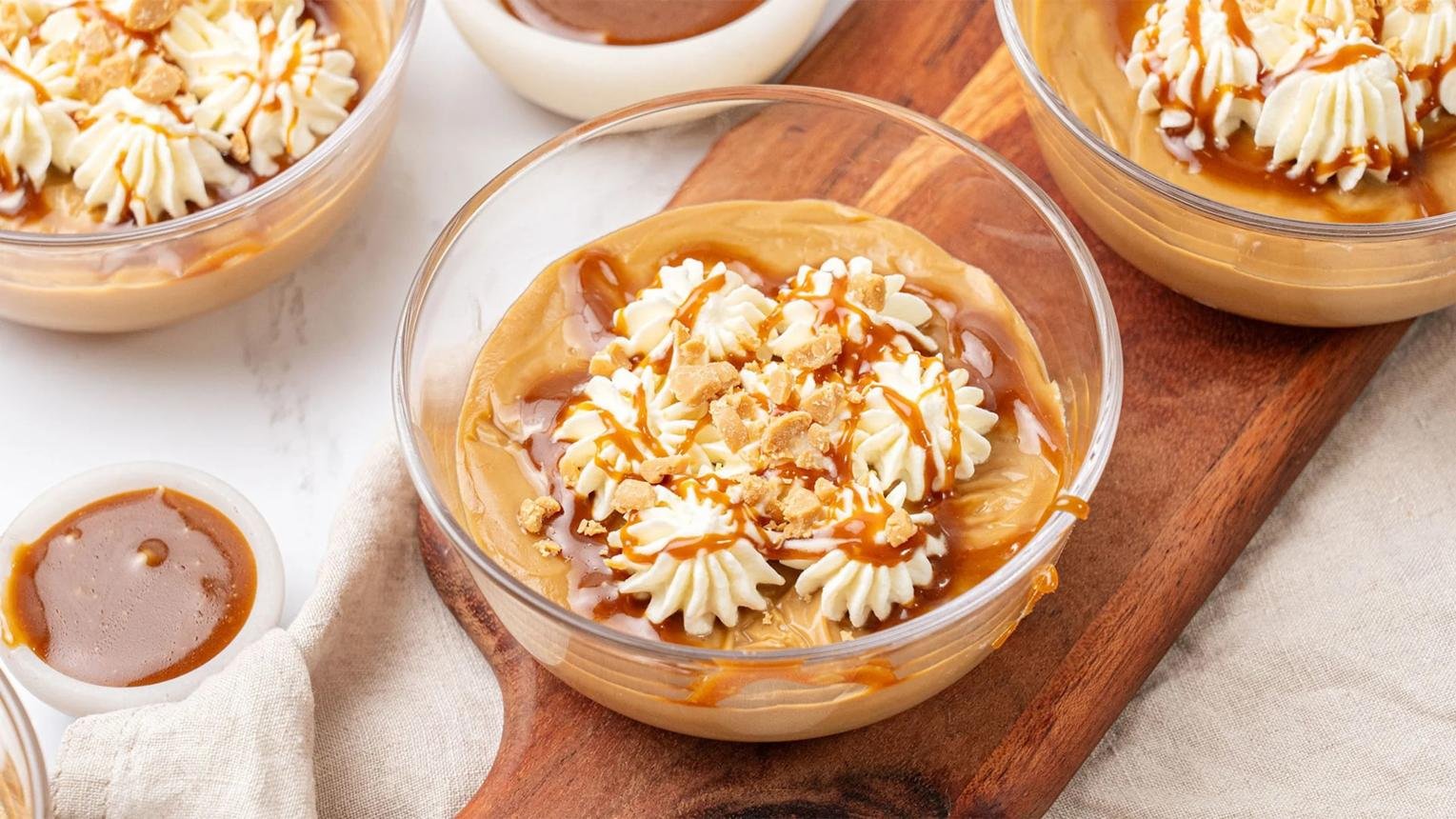
Butterscotch pudding is a classic homemade dessert made with brown sugar, butter, milk, and vanilla. It has a rich buttery flavor, a gentle caramel-like sweetness, and a smooth, creamy consistency that makes every spoonful satisfying.
Unlike instant pudding mixes, homemade butterscotch pudding develops its flavor right on the stovetop using simple pantry ingredients. It’s easy enough for a weeknight dessert but also lovely enough to serve after a family dinner or during the holidays.
This easy butterscotch pudding recipe comes together in about 25 minutes of active preparation and cooking time. After chilling, it becomes thick, silky, and ready to serve with whipped cream or a little sprinkle of flaky sea salt.
Recipe Overview
| Detail | Information |
|---|---|
| Prep Time | 10 minutes |
| Cook Time | 15 minutes |
| Chill Time | 2 hours |
| Total Time | 2 hours 25 minutes |
| Servings | 4 |
| Difficulty | Easy |
Why You’ll Love This Recipe
-
Rich butterscotch flavor: Brown sugar and butter create the signature warm, buttery sweetness.
-
Simple ingredients: You only need a handful of everyday ingredients.
-
Smooth and creamy: Egg yolks and cornstarch help create a thick, silky pudding.
-
Make-ahead friendly: Prepare it ahead of time and refrigerate until dessert.
-
Easy to customize: Add whipped cream, chopped pecans, chocolate shavings, or flaky salt.
Ingredients
-
2 cups whole milk
-
½ cup heavy cream
-
½ cup packed dark brown sugar
-
3 tablespoons unsalted butter
-
2 tablespoons cornstarch
-
2 large egg yolks
-
1 teaspoon vanilla extract
-
¼ teaspoon salt
For serving (optional):
-
Whipped cream
-
Chopped toasted pecans
-
Flaky sea salt
-
Butterscotch chips
Ingredient Notes
Dark brown sugar: Dark brown sugar gives the pudding a deeper molasses flavor. Light brown sugar also works, but the finished pudding will have a slightly milder taste.
Whole milk: Whole milk provides a creamy consistency. Lower-fat milk can be substituted, although the pudding may be less rich.
Heavy cream: A little heavy cream adds richness without making the pudding overly heavy.
Egg yolks: Egg yolks contribute a custard-like texture and help make the pudding smooth and creamy.
Cornstarch: This thickens the pudding and helps it hold its shape after chilling.
Unsalted butter: Butter is essential for the characteristic butterscotch flavor. Unsalted butter also makes it easier to control the saltiness.
How to Make Butterscotch Pudding
1. Prepare the ingredients.
Measure the milk, heavy cream, brown sugar, butter, and cornstarch. In a small bowl, whisk the egg yolks with the cornstarch and about ¼ cup of the cold milk until smooth. Set aside.
2. Cook the butter and brown sugar.
Place a medium saucepan over medium-low heat. Add the butter and let it melt. Stir in the brown sugar and cook for about 2–3 minutes, stirring frequently, until the sugar looks glossy and begins to dissolve.
Avoid letting the sugar burn, as this can make the pudding taste bitter.
3. Add the milk and cream.
Gradually whisk in the remaining milk and heavy cream. The mixture may bubble or the sugar may briefly become firm when the cooler liquid is added. Continue stirring gently over medium heat until the sugar dissolves and the mixture is smooth.
4. Temper the egg mixture.
Slowly pour about ½ cup of the warm milk mixture into the egg yolk and cornstarch mixture while whisking constantly. This gently warms the yolks and helps prevent scrambling.
5. Thicken the pudding.
Pour the tempered egg mixture back into the saucepan. Cook over medium-low heat, whisking continuously, for approximately 3–5 minutes.
The pudding should become noticeably thicker and develop a smooth, glossy consistency. Let it reach a gentle bubble while whisking, then cook briefly to activate the cornstarch.
6. Add vanilla and salt.
Remove the saucepan from the heat. Stir in the vanilla extract and salt until fully incorporated.
7. Transfer and chill.
Pour the pudding into four small serving bowls or ramekins. For a smoother surface, press plastic wrap directly against the pudding to prevent a skin from forming.
Refrigerate for at least 2 hours, or until completely chilled and set.
8. Serve.
Remove the plastic wrap and add whipped cream, toasted pecans, or a small pinch of flaky sea salt if desired. Serve chilled.
Expert Tips
-
Use medium-low heat for the sugar: Brown sugar can burn quickly. Gentle heat gives you better control over its flavor.
-
Whisk continuously: This prevents the pudding from sticking to the bottom of the saucepan and helps avoid lumps.
-
Temper the egg yolks: Adding hot liquid gradually prevents the yolks from cooking too quickly.
-
Don’t skip the chilling time: The pudding needs time to cool and develop its final consistency.
-
Strain if necessary: If you notice small lumps, pass the warm pudding through a fine-mesh strainer before transferring it to serving bowls.
Common Mistakes to Avoid
-
Burning the brown sugar: Excessive heat can create a bitter flavor. Keep the heat moderate and stir frequently.
-
Adding hot liquid too quickly to the yolks: This can cause the eggs to scramble. Temper them gradually.
-
Stopping before the pudding thickens: The mixture should visibly thicken and reach a gentle bubble before removing it from the heat.
-
Not whisking enough: Inconsistent stirring can lead to lumps or scorching.
-
Serving before chilling: Warm pudding is softer and won’t have the same thick, spoonable texture as chilled pudding.
Easy Variations
Salted Butterscotch Pudding: Add a small pinch of flaky sea salt before serving to balance the sweetness.
Butterscotch Banana Pudding: Layer the chilled pudding with sliced bananas and vanilla wafers for a simple banana pudding-inspired dessert.
Chocolate Butterscotch Pudding: Add 1–2 tablespoons of unsweetened cocoa powder to the brown sugar mixture for a chocolate twist.
Pecan Butterscotch Pudding: Sprinkle toasted chopped pecans over each serving for a nutty crunch.
Ingredient Substitutions
-
Light brown sugar: Use the same quantity instead of dark brown sugar. The pudding will have a slightly lighter molasses flavor.
-
Half-and-half: Replace the heavy cream with an equal amount of half-and-half for a slightly lighter result.
-
Dairy-free milk: Unsweetened oat milk or soy milk may work, although the flavor and consistency will change. Use a suitable dairy-free butter alternative as well.
-
Vanilla bean paste: Replace the vanilla extract with an equal amount of vanilla bean paste for a more pronounced vanilla flavor.
What to Serve With Butterscotch Pudding
Butterscotch pudding is rich and sweet, so it pairs especially well with toppings and sides that add contrast.
-
Whipped cream: A light, airy topping balances the thick pudding.
-
Fresh berries: Strawberries or raspberries add a refreshing tartness.
-
Vanilla wafers: Crushed wafers add a pleasant crunchy texture.
-
Toasted pecans: Their nutty flavor complements the brown sugar and butter.
-
Shortbread cookies: Serve alongside for a simple dessert combination.
-
Fresh sliced bananas: Their mild sweetness works nicely with the butterscotch flavor.
Storage & Reheating
Refrigerator: Store leftover butterscotch pudding in airtight containers or covered serving bowls in the refrigerator for up to 3 days. Keep it chilled at 40°F (4°C) or below.
Freezing: Freezing is not recommended. Cornstarch-thickened pudding can become grainy or watery after thawing.
Reheating: This pudding is best served cold. If you prefer it slightly warm, gently reheat an individual portion over low heat or in short microwave intervals, stirring frequently. Avoid overheating, as the texture may change.
Frequently Asked Questions
1. What does butterscotch pudding taste like?
Butterscotch pudding has a rich, buttery sweetness with warm brown sugar and caramel-like notes. It is similar to caramel pudding but has a distinctive flavor from the combination of butter and brown sugar.
2. Can I make butterscotch pudding without eggs?
Yes. You can make an egg-free version by increasing the cornstarch to approximately 3 tablespoons and omitting the egg yolks. The texture will be more starch-based and less custard-like.
3. Why is my butterscotch pudding lumpy?
Lumps can develop if the cornstarch is not mixed with cold liquid first or if the egg yolks are added too quickly to hot liquid. Whisking thoroughly and tempering the yolks helps prevent this problem.
4. How do I know when butterscotch pudding is thick enough?
The pudding should coat the back of a spoon and leave a clear line when you run a finger through the coating. It should also visibly thicken and gently bubble during cooking.
5. Can I make butterscotch pudding ahead of time?
Absolutely. Prepare the pudding up to 2 days ahead, cover it, and refrigerate. Add whipped cream and other toppings just before serving.
6. Can I use light brown sugar instead of dark brown sugar?
Yes. Light brown sugar works well in this recipe. The flavor will be slightly milder, but the pudding will still have its characteristic buttery sweetness.
Final Thoughts
Homemade butterscotch pudding is a simple dessert that brings together the comforting flavors of butter, brown sugar, and vanilla. Its creamy texture and rich flavor make it a lovely choice whenever you want something sweet without preparing an elaborate dessert.
Prepare it ahead, chill until set, and finish each serving with whipped cream or toasted pecans for an easy homemade treat.
Leave a Reply