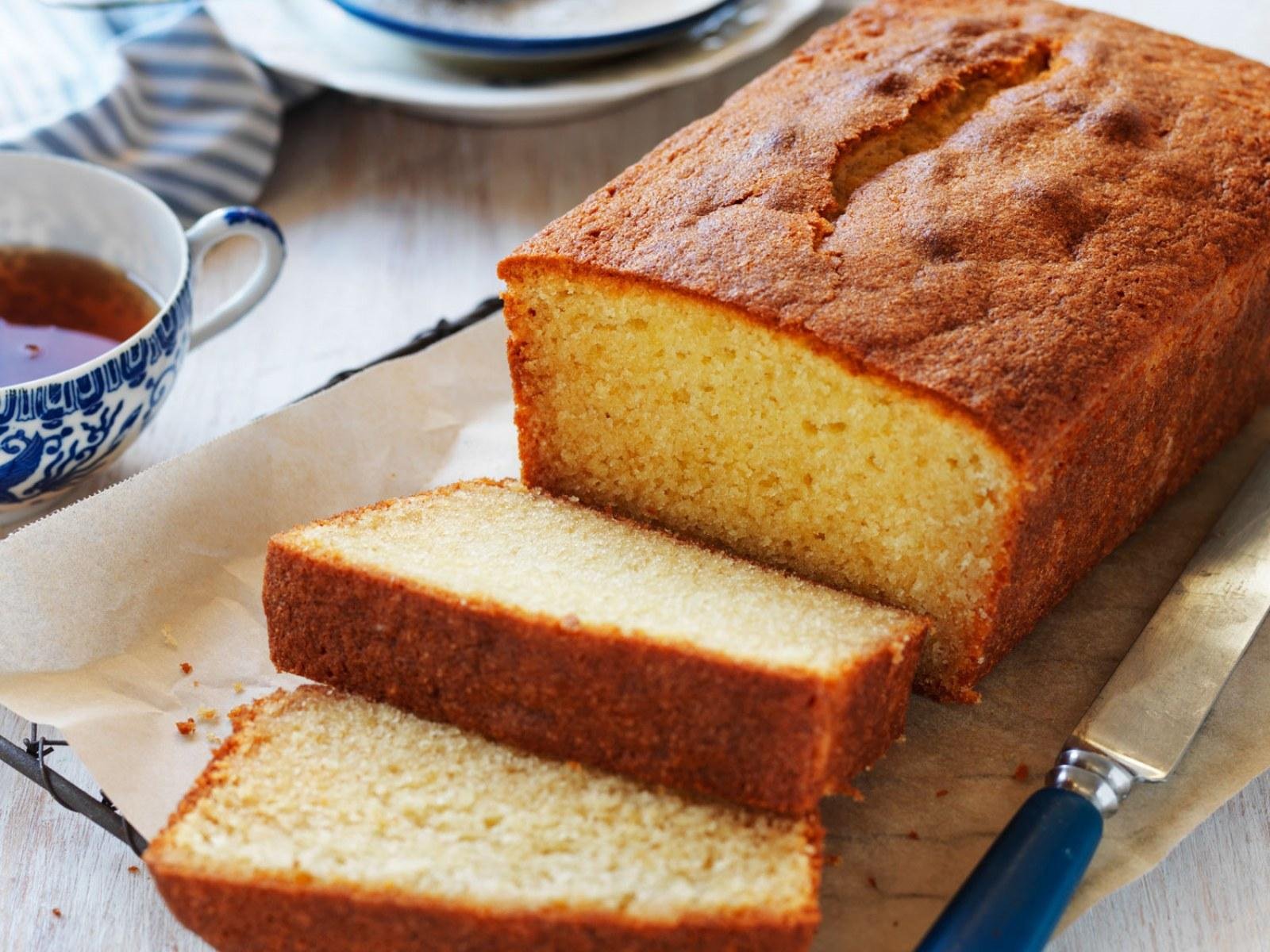
Vanilla Butter Cake is a classic homemade cake with a rich buttery flavor, delicate vanilla aroma, and soft, tender crumb. Made with simple pantry ingredients, this traditional cake is easy to prepare and works beautifully for birthdays, family gatherings, holidays, or an everyday dessert.
Unlike lighter sponge cakes, butter cake gets its richness from creamed butter and sugar. The result is a soft, moist cake with enough structure to hold frosting while remaining tender in every slice. Serve it plain, dusted with powdered sugar, or covered with your favorite vanilla buttercream.
Recipe Overview
| Details | Information |
|---|---|
| Prep Time | 20 minutes |
| Cook Time | 30–35 minutes |
| Total Time | 55 minutes |
| Servings | 10–12 slices |
| Difficulty | Easy to Medium |
| Oven Temperature | 350°F (175°C) |
Why You’ll Love This Recipe
-
Rich buttery flavor: Real butter gives the cake its signature taste and satisfying texture.
-
Soft and tender crumb: The creaming method creates a light, delicate cake without sacrificing richness.
-
Simple ingredients: No unusual ingredients or complicated techniques are needed.
-
Versatile dessert: Enjoy it plain or pair it with buttercream, fresh berries, or whipped cream.
-
Great for celebrations: The sturdy yet tender layers make it suitable for birthday cakes and special occasions.
Ingredients
-
2½ cups (315 g) all-purpose flour
-
1½ cups (300 g) granulated sugar
-
1 cup (226 g) unsalted butter, softened
-
3 large eggs, at room temperature
-
1 cup (240 ml) whole milk, at room temperature
-
2 teaspoons pure vanilla extract
-
2½ teaspoons baking powder
-
½ teaspoon salt
Ingredient Notes
Butter: Use unsalted butter softened to room temperature. It should feel slightly soft when pressed but should not be melted.
Flour: All-purpose flour provides enough structure for a traditional butter cake. Measure it carefully to avoid a dense result.
Vanilla extract: Pure vanilla extract gives the cake a recognizable vanilla flavor. Vanilla bean paste can also be used.
Milk: Whole milk adds moisture and richness. Room-temperature milk helps the batter combine more evenly.
Eggs: Room-temperature eggs blend more easily into the creamed butter mixture.
How to Make Vanilla Butter Cake
1. Prepare the baking pans
Preheat your oven to 350°F (175°C). Grease two 8-inch round cake pans with butter or nonstick baking spray. Line the bottoms with parchment paper to make removing the cakes easier.
2. Combine the dry ingredients
In a medium bowl, whisk together the all-purpose flour, baking powder, and salt. Set aside.
3. Cream the butter and sugar
Place the softened butter and granulated sugar in a large mixing bowl. Beat with an electric mixer on medium speed for approximately 3–4 minutes.
The mixture should become pale, creamy, and slightly fluffy. Scrape down the sides of the bowl as needed.
4. Add the eggs and vanilla
Add the eggs one at a time, beating after each addition until incorporated. Mix in the vanilla extract.
If the mixture looks slightly curdled, continue with the recipe rather than adding extra flour.
5. Combine the wet and dry ingredients
Add approximately one-third of the flour mixture to the butter mixture and mix on low speed.
Pour in half the milk, followed by another portion of the flour mixture. Repeat with the remaining milk and flour, finishing with the dry ingredients.
Mix only until the flour disappears. Avoid overmixing, which can make the cake tough.
6. Divide the batter
Divide the batter evenly between the prepared cake pans. Smooth the tops gently with a spatula.
7. Bake the cakes
Place the pans in the preheated oven and bake for 30–35 minutes.
The cakes are ready when the tops are lightly golden, the centers spring back gently when touched, and a toothpick inserted into the center comes out clean or with a few moist crumbs.
8. Cool before serving
Allow the cakes to cool in their pans for approximately 10 minutes. Carefully turn them out onto wire racks and remove the parchment paper.
Let them cool completely before frosting or slicing.
Expert Tips for the Best Vanilla Butter Cake
-
Use softened butter: Butter that is too cold will not cream properly, while melted butter can change the cake’s texture.
-
Cream thoroughly: Give the butter and sugar enough time to become pale and fluffy. This helps incorporate air into the batter.
-
Use room-temperature ingredients: Eggs and milk at room temperature generally combine more smoothly with the butter mixture.
-
Measure flour accurately: Too much flour can make the finished cake dry and heavy.
-
Avoid overmixing: Once the flour is incorporated, stop mixing to help maintain a tender crumb.
-
Check early: Oven temperatures vary, so begin checking the cakes around the 30-minute mark.
Common Mistakes to Avoid
-
Using melted butter: This can prevent the proper creaming process and affect the cake’s structure.
-
Overmixing the batter: Excessive mixing after adding flour can develop gluten and create a tougher cake.
-
Opening the oven too early: Sudden temperature changes can affect how the cake rises.
-
Frosting warm cake layers: Warm cake can soften or melt buttercream. Always allow the layers to cool completely.
-
Overbaking: Leaving the cakes in the oven too long can result in dry edges and a less tender crumb.
Easy Variations
Vanilla Almond Butter Cake: Replace ½ teaspoon of vanilla extract with almond extract for a subtle almond flavor.
Lemon Vanilla Cake: Add 1 tablespoon of finely grated lemon zest to the butter and sugar mixture.
Funfetti Butter Cake: Fold approximately ½ cup of rainbow sprinkles into the finished batter.
Chocolate Frosted Butter Cake: Cover the cooled cake layers with chocolate buttercream for a classic vanilla-and-chocolate combination.
Ingredient Substitutions
-
Salted butter: You can use salted butter instead of unsalted butter. Reduce the added salt to approximately ¼ teaspoon.
-
Whole milk: 2% milk can work, although the cake may be slightly less rich.
-
Vanilla bean paste: Use the same quantity as vanilla extract for a more pronounced vanilla appearance and flavor.
-
Cake flour: You can substitute approximately 2¾ cups (about 310 g) cake flour for the all-purpose flour. The texture will be softer and more delicate.
What to Serve With Vanilla Butter Cake
Vanilla butter cake pairs well with several simple additions:
-
Vanilla buttercream: A classic choice for birthdays and celebrations.
-
Fresh strawberries: Their natural sweetness and slight tartness complement the buttery cake.
-
Whipped cream: Adds a light, creamy finish.
-
Fresh berries: Blueberries, raspberries, and strawberries make a refreshing topping.
-
Chocolate ganache: Adds a rich chocolate contrast to the vanilla flavor.
-
Coffee or tea: A simple slice makes a lovely afternoon dessert.
Storage & Reheating
Room temperature: Store unfrosted cake in an airtight container at room temperature for up to 2 days in a cool environment.
Refrigerator: Keep the cake in an airtight container for up to 4–5 days. Refrigeration can make butter-based cake feel firmer, so allow slices to sit at room temperature before serving.
Freezer: Wrap completely cooled, unfrosted cake layers individually in plastic wrap, followed by aluminum foil. Freeze for up to 2 months for best quality.
Reheating: This cake is generally best served at room temperature. If you prefer it slightly warm, microwave an individual unfrosted slice for approximately 8–10 seconds.
Frequently Asked Questions
1. What makes vanilla butter cake different from vanilla sponge cake?
Vanilla butter cake uses creamed butter and sugar as its base, creating a richer flavor and slightly denser crumb. Sponge cake typically relies more heavily on whipped eggs for its structure and has a lighter texture.
2. Why is my vanilla butter cake dense?
A dense cake can result from too much flour, insufficient creaming, cold ingredients, or overmixing. Measure ingredients carefully and beat the butter and sugar until pale and fluffy.
3. Can I make vanilla butter cake ahead of time?
Yes. Bake the cake layers a day ahead, allow them to cool completely, and store them tightly covered at room temperature. Frost them when ready to serve.
4. Can I make this recipe in one large cake pan?
The batter can be baked in a suitable larger pan, but the baking time will change. A 9-by-13-inch pan is a possible alternative. Begin checking around 30 minutes and continue baking as needed until the center is set.
5. How do I know when butter cake is fully baked?
The top should be lightly golden and spring back when gently touched. A toothpick inserted into the center should come out clean or with a few moist crumbs.
6. Can I frost vanilla butter cake?
Absolutely. Vanilla buttercream, chocolate frosting, cream cheese frosting, and whipped cream are all suitable options. Make sure the cake has cooled completely before adding frosting.
Final Thoughts
Vanilla Butter Cake is a timeless dessert that belongs in every home baker’s recipe collection. Its rich butter flavor, tender crumb, and simple preparation make it a versatile choice for everything from afternoon treats to celebration cakes. Whether served plain or finished with a generous layer of frosting, it is a wonderful way to enjoy classic homemade vanilla cake.
Leave a Reply