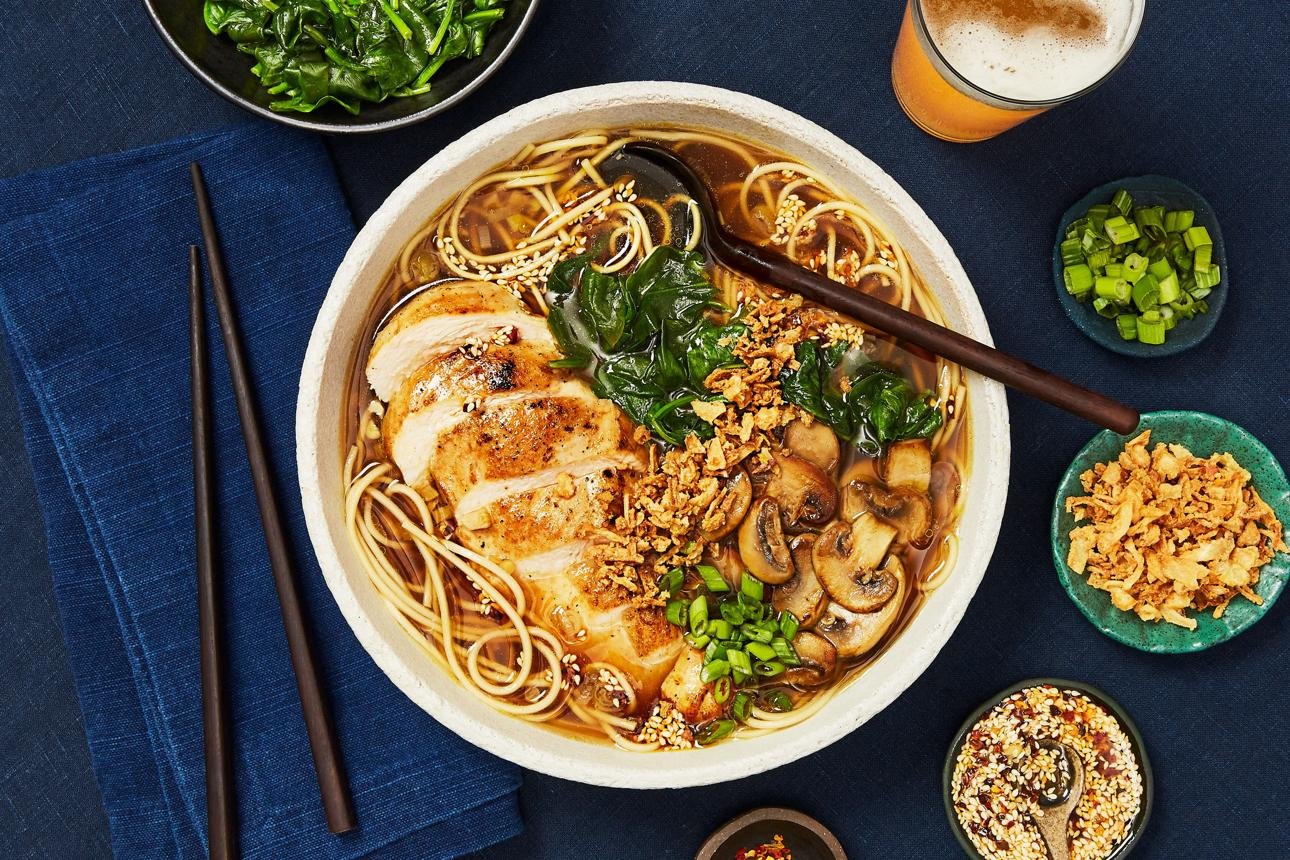
One-Pot Honey Garlic Chicken Ramen combines tender chicken, springy ramen noodles, and a savory-sweet garlic sauce in one easy skillet or pot. The broth is made with honey, soy sauce, fresh garlic, ginger, and chicken broth, creating a flavorful base that coats the noodles without requiring a separate sauce pan.
This easy chicken ramen recipe is ideal for busy weeknights when you want something comforting and satisfying without dealing with a sink full of dishes. With simple ingredients and about 35 minutes of cooking time, it’s a convenient homemade alternative to packaged ramen.
Recipe Overview
| Detail | Information |
|---|---|
| Prep Time | 10 minutes |
| Cook Time | 25 minutes |
| Total Time | 35 minutes |
| Servings | 4 |
| Difficulty | Easy |
Why You’ll Love This Recipe
-
One-pot convenience: The chicken, broth, vegetables, and noodles come together in one pot.
-
Sweet and savory flavor: Honey balances the salty soy sauce, while garlic and ginger add depth.
-
A satisfying meal: Chicken, ramen noodles, and vegetables make this a complete dinner.
-
Easy to customize: Adjust the spice level or add your favorite vegetables.
-
Weeknight-friendly: It uses accessible ingredients and doesn’t require complicated preparation.
Ingredients
-
1 pound boneless, skinless chicken thighs or breasts
-
3 packages instant ramen noodles (about 9 ounces total), seasoning packets discarded
-
4 cups low-sodium chicken broth
-
¼ cup honey
-
⅓ cup low-sodium soy sauce
-
5 cloves garlic, minced
-
1 tablespoon freshly grated ginger
-
1 tablespoon rice vinegar
-
1 teaspoon sesame oil
-
1 tablespoon neutral cooking oil
-
1 medium carrot, thinly sliced
-
2 cups chopped bok choy
-
½ teaspoon black pepper
-
¼ teaspoon red pepper flakes (optional)
-
2 green onions, sliced
-
1 tablespoon sesame seeds
Ingredient Notes
Chicken: Boneless, skinless chicken thighs are a great choice because they remain juicy during simmering. Chicken breasts also work, but take care not to overcook them.
Ramen noodles: Use plain instant ramen noodle blocks without the seasoning packets. Their cooking time is usually short, so add them near the end.
Honey: Regular honey provides sweetness and helps balance the salty soy sauce. You can adjust the amount slightly to suit your preference.
Soy sauce: Low-sodium soy sauce gives you better control over the saltiness, especially because the broth reduces slightly as everything cooks.
Bok choy: It adds freshness and a tender-crisp texture. Baby bok choy is also suitable.
How to Make One-Pot Honey Garlic Chicken Ramen
1. Prepare the chicken. Pat the chicken dry with paper towels and season both sides with black pepper. Heat the cooking oil in a large Dutch oven or deep pot over medium-high heat. Add the chicken and sear for approximately 3–4 minutes per side until golden brown. It does not need to be completely cooked at this stage.
2. Make the honey garlic broth. Reduce the heat to medium. Add the minced garlic and grated ginger to the same pot. Stir for about 30 seconds until fragrant. Pour in the chicken broth, soy sauce, honey, rice vinegar, sesame oil, and red pepper flakes if using. Stir to combine, scraping up any browned bits from the bottom.
3. Cook the chicken. Return the chicken to the pot and bring the liquid to a gentle simmer. Cover partially and cook for approximately 8–12 minutes, depending on the thickness of the chicken. Check that the thickest part reaches an internal temperature of 165°F using a food thermometer.
4. Add the vegetables. Transfer the cooked chicken to a clean plate and let it rest briefly. Add the sliced carrots to the simmering broth and cook for about 2–3 minutes. This gives them a head start before the noodles go in.
5. Cook the ramen noodles. Add the ramen noodle blocks directly to the broth. Gently separate them with a fork or tongs as they soften. Cook according to the package directions, usually around 2–3 minutes. Add the bok choy during the final 1–2 minutes.
6. Finish and serve. Slice the rested chicken into bite-sized pieces and return it to the pot. Stir gently to distribute the chicken and vegetables. Taste the broth and adjust the honey or soy sauce if needed. Finish with sliced green onions and sesame seeds, then serve immediately.
Expert Tips
-
Don’t skip browning the chicken. Searing creates a flavorful base for the broth.
-
Use low-sodium broth and soy sauce. This prevents the finished ramen from becoming overly salty.
-
Keep the broth at a gentle simmer. A vigorous boil can make the chicken tougher and cause the noodles to become too soft.
-
Add noodles at the end. Ramen cooks quickly, and adding it too early can result in mushy noodles.
-
Prepare toppings beforehand. Slice the green onions and measure the sesame seeds before cooking so the ramen can be served while the noodles are fresh.
Common Mistakes to Avoid
-
Overcooking the noodles: Follow the package directions and check them frequently.
-
Using too much honey: Excessive sweetness can overpower the savory broth. Start with the recommended amount.
-
Skipping the chicken temperature check: Always confirm the thickest part reaches 165°F.
-
Adding too much soy sauce: The broth becomes more concentrated as it simmers, so taste before adding extra.
-
Cooking vegetables for too long: Add bok choy near the end to preserve its texture.
Easy Variations
-
Spicy Honey Garlic Ramen: Add chili flakes or a little sriracha to the broth.
-
Mushroom Chicken Ramen: Add sliced mushrooms with the carrots for extra savory flavor.
-
Vegetable Ramen: Include broccoli, snap peas, spinach, or shredded cabbage.
-
Creamy Chicken Ramen: Stir in a small splash of coconut milk for a creamier broth. This will change the flavor slightly.
-
Garlic Butter Ramen: Stir a small amount of butter into the finished broth for a richer taste.
Ingredient Substitutions
-
Chicken thighs: Substitute boneless chicken breasts or cooked shredded chicken. If using precooked chicken, skip the chicken-searing and simmering steps and add it near the end to warm through.
-
Soy sauce: Tamari can be used as a gluten-free alternative when paired with gluten-free noodles.
-
Rice vinegar: Apple cider vinegar works in a pinch, although the flavor will be slightly different.
-
Bok choy: Use spinach, napa cabbage, or regular green cabbage.
-
Fresh ginger: Use about ¼ teaspoon ground ginger if fresh ginger isn’t available.
-
Instant ramen: Fresh ramen noodles can work, but adjust the cooking time according to their package instructions.
What to Serve With It
This chicken ramen is filling enough to serve on its own, but a few simple sides work particularly well.
-
Asian cucumber salad: Its refreshing, slightly tangy flavor balances the sweet and savory broth.
-
Steamed edamame: Adds a simple vegetable side.
-
Vegetable spring rolls: Provide a crisp contrast to the soft noodles.
-
Steamed broccoli: An easy way to add more vegetables.
-
Asian-style cabbage slaw: Offers a fresh, crunchy contrast.
Storage & Reheating
Refrigerator: Transfer leftovers to an airtight container and refrigerate within 2 hours. For best quality, enjoy within 3–4 days.
Freezing: Freezing the completed ramen isn’t recommended because the noodles can become soft and lose their texture. If preparing ahead, freeze the cooked chicken and broth separately without the noodles or vegetables.
Reheating: Warm leftovers in a saucepan over medium-low heat, adding a splash of chicken broth or water to loosen the sauce. Stir gently until heated throughout.
Meal prep tip: If you plan to prepare this recipe ahead, store the cooked chicken and broth separately from freshly cooked noodles. This helps prevent the noodles from absorbing too much liquid.
Frequently Asked Questions
1. Can I make honey garlic chicken ramen with chicken breast?
Yes. Boneless, skinless chicken breast works well. Sear it on both sides and simmer until the thickest part reaches 165°F. Avoid cooking it longer than necessary.
2. Can I use the ramen seasoning packets?
It’s better to leave them out because the homemade broth already contains soy sauce, garlic, honey, and other seasonings. Adding the packets may make the broth too salty.
3. How do I keep ramen noodles from getting mushy?
Add the noodles only after the chicken has cooked and the vegetables are nearly ready. Cook them according to the package instructions and serve immediately.
4. Can I make this recipe without bok choy?
Absolutely. Spinach, cabbage, mushrooms, or broccoli are suitable alternatives. Adjust their cooking times according to how quickly they soften.
5. Is this ramen recipe spicy?
The basic recipe is mildly flavored rather than spicy. Red pepper flakes are optional, so you can leave them out for a family-friendly version or add chili sauce for more heat.
6. Can I make this recipe gluten-free?
Yes. Choose certified gluten-free ramen noodles and replace regular soy sauce with gluten-free tamari. Check the labels of your broth and other packaged ingredients as well.
Final Thoughts
One-Pot Honey Garlic Chicken Ramen brings together tender chicken, flavorful broth, and satisfying noodles in a simple homemade dinner. The sweet and savory garlic sauce makes each bowl comforting, while the vegetables add freshness and texture. Keep this recipe in mind for those evenings when you want a hearty meal without complicated preparation.
Leave a Reply